Memory models and why they matter for concurrent code
Concurrent code fails in ways that are hard to reproduce and hard to reason about. A lot of those failures
Distributed consensus without the PhD
Distributed consensus gets treated like graduate-level material. The Paxos paper is famously hard to read. Raft was explicitly designed
Write-ahead logs: the idea behind most durable systems
If you've worked with Postgres, SQLite, or pretty much any serious storage system, you've encountered the
Latency vs throughput: they're not the same thing
These two get conflated constantly, including by people who should know better. They're related but they measure fundamentally
Using Aeron Cluster as a source of truth
Most teams reaching for a consensus system are looking for coordination, leader election, distributed locks, configuration management. Aeron Cluster handles
Consistent hashing: how distributed systems route without a coordinator
When you need to distribute data across multiple nodes, the first instinct is to use a hash function: take a
Go generics in practice: what they're actually good for
Go generics landed in 1.18 and the community spent about six months either overclaiming or dismissing them. The reality
Cap'n Proto vs Protobuf: why we switched
We'd been using Protobuf for years. It worked. Nobody complained. Then we started hitting the edges: schema migrations
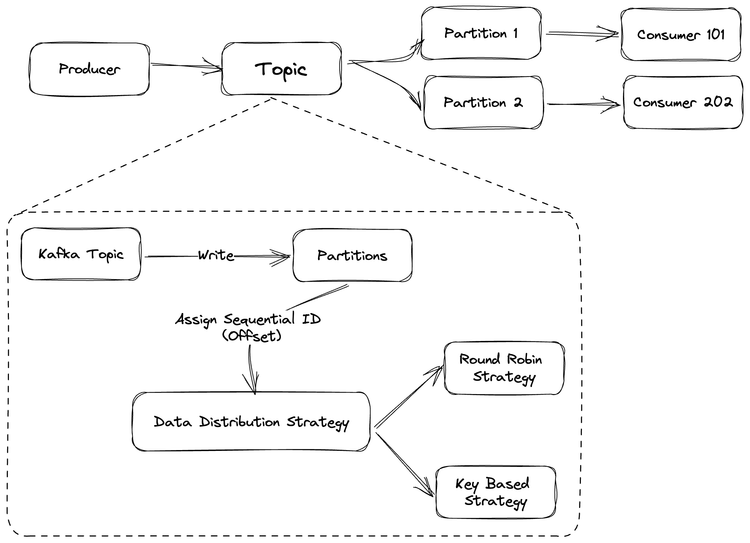
Apache Kafka: How It Actually Works
Most people encounter Kafka through job postings or architecture diagrams where it sits between everything. Someone always calls it a
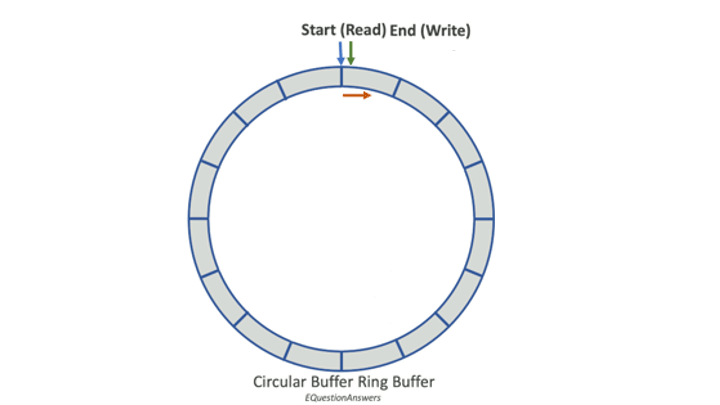
Ring Buffers vs. Double-Ended Linked Lists
Not every data structure decision needs a framework. Sometimes it's just: do I need a fixed-size, cache-